

Did you know that carbon is key element in the composition of steel used to make springs? You may have heard of “Carbon Credits” and “Carbon Dating” But it’s so much more than that. In fact, without carbon, springs would not be able to perform and would not have the many uses they have today. Let’s take a closer look at what makes carbon cool, and why it is so essential in spring manufacturing.
Carbon Fun Facts
- Carbon is a non-metal that can form 10 million elements.
- Carbon is the backbone of organic molecules like DNA, proteins, and carbohydrates.
- Carbon is the fourth most abundant element in the universe.
- CO2 is essential to life on earth.
- Carbon is essential for steelmaking.
- Pure Carbon is one of the few elements that exist free in nature. it exists in multiple pure forms including soft graphite in pencils to the hardest knows natural material – the diamond!
- 18% of your body weight is carbon
- Carbon based fuels power the world through coal, petroleum, and natural gas.
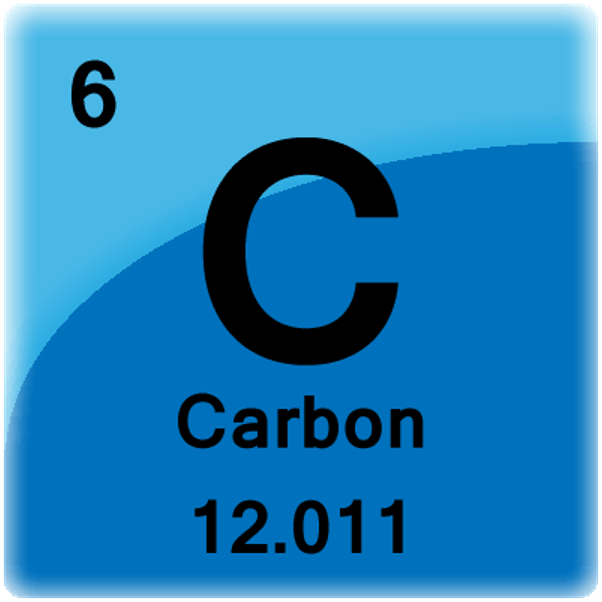 Carbon Facts For Spring Manufacturing
- Carbon is a key element that makes the material have “Spring” by adding small traces of carbon to Iron.
- It determines hardness and tensile strength of metal.
- It enhances wear resistance of the material for repeat and strenuous use.
- Medium- to high-carbon steels (like 1075, 1095) are commonly used in spring manufacturing because they deliver excellent performance without the high cost of exotic alloys.
- The common spring materials are for flat stock:
- SAE 1050
- SAE 1070
- SAE 1075
- SAE 1095
- Standard spring steels like music wire, oil-tempered wire, and high-carbon alloys (e.g., SAE 1070-1095) rely heavily on carbon as a primary strengthening element.
- High-carbon steels enable the production of smaller, lighter springs that still deliver powerful force—ideal for modern electronics and compact assemblies.
- Steel with carbon can be heat treated. (e.g., tempered or quenched), improving its elasticity, fatigue resistance, and durability—crucial for long-lasting spring function.
- Low Carbon Materials are easier to form, and usually have about 8-20 points of carbon:
- CRS 1008
- CRS 1010
- CRS 1015
- CRS 1020
- Pre-Tempered Music wire has about 65-70 points of Carbon.
Without carbon the amazingly wide array of uses for springs simply wouldn’t be possible! It’s details like this that we are passionate about understanding when it comes to spring manufacturing. That includes the many combinations of materials with different carbon content. When your considering materials for your next spring project, give us a call, we can help select the appropriate material based on your needs and usage.
Contact us Today!
| Contact Us | Request A Quote |
Related

Manufacturing
10.08
5 Questions to Ask Before Choosing a Spring Manufacturer
5 Questions to Ask Before Choosing a Spring Manufacturer
Springs can have a significant impact on product performance, reliability, assembly, and ultimately your customer experience. Therefore, choosing the right manufacturing partner means finding a supplier that understands not only the technical aspects of the product, but also how the spring needs to perform in your application.

Manufacturing
09.10
Your Guide to Spring Material Selection
Your Guide to Spring Material Selection
Successful spring material selection begins with understanding the environment in which the spring will operate and the performance expectations it must meet. While music wire remains a cost-effective solution for many applications, stainless steel excels in corrosive environments, and chrome silicon delivers superior performance in high-stress applications. If you’re unsure which material is right for your application, the engineering team at Apex Spring & Stamping can help identify the best solution for your specific requirements.

Miscellaneous
08.20
FAQs About Custom Spring Quotes
FAQs About Custom Spring Quotes
Whether you have a production-ready drawing, an existing spring that needs to be reverse engineered or an early-stage design that still needs engineering, Apex Spring & Stamping can help you move from concept toward production.